Vollkornreis, gekocht: Kalorien und Nährwerte
100 g Vollkornreis, gekocht haben 128 kcal; 1 kleine Portion (150 g) hat 192 kcal.
Roh: Vollkornreis, 360 kcal je 100 g
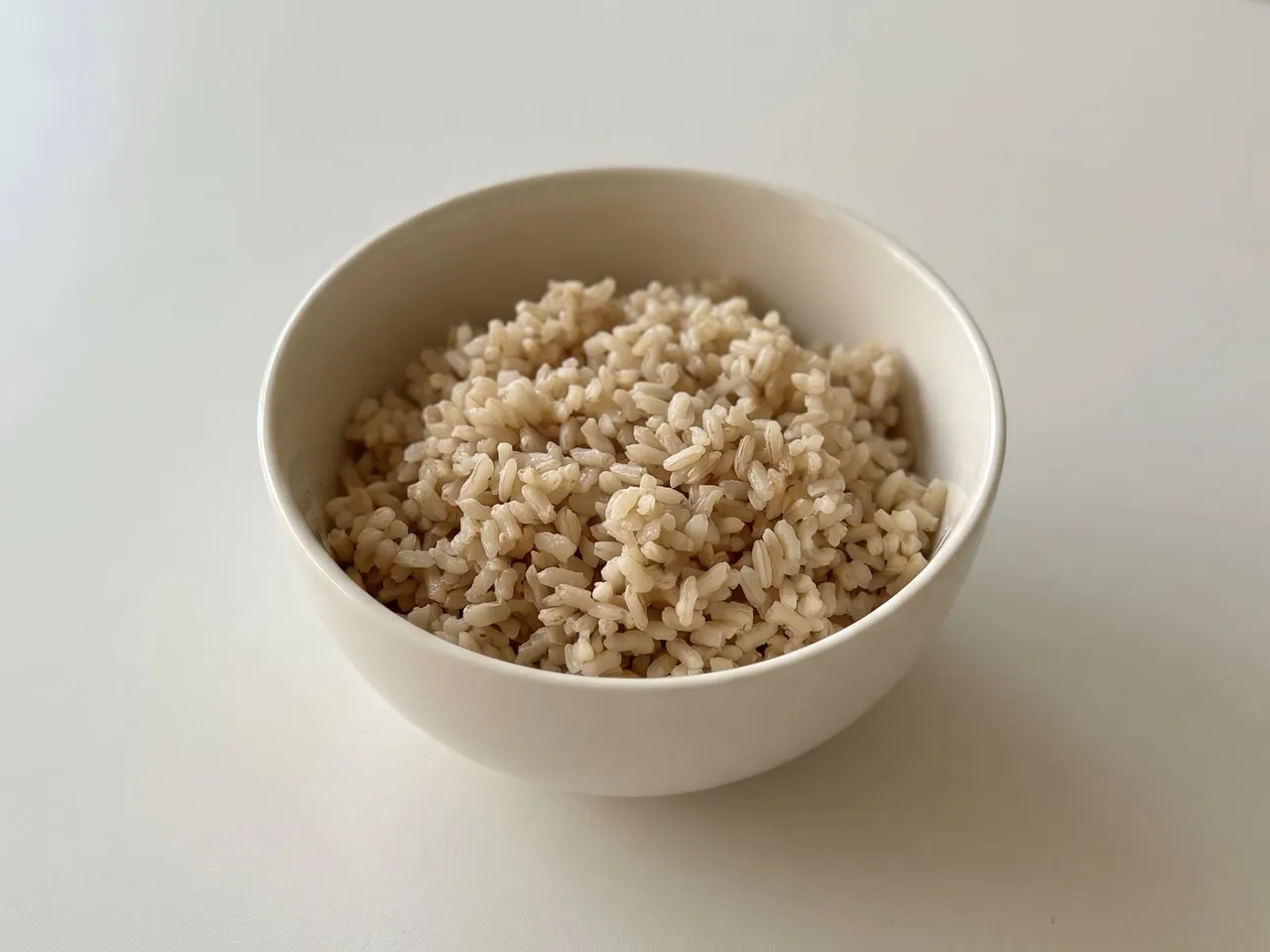
je 100 g
128 kcal
- Eiweiß
- 3 g
- Kohlenhydrate
- 26,3 g
- Fett
- 0,9 g
Deine Menge
Nährwerte je 100 g
| Nährstoff | je 100 g | % Referenzmenge |
|---|---|---|
| Energie | 128 kcal | 6 % |
| Fett | 0,9 g | 1 % |
| davon gesättigte Fettsäuren | 0,2 g | 1 % |
| Kohlenhydrate | 26,3 g | 10 % |
| davon Zucker | 0,3 g | 0 % |
| Ballaststoffe | 1,4 g | |
| Eiweiß | 3 g | 6 % |
| Salz | 0 g | 0 % |
| Vitamin A | 0 µg | 0 % |
| Vitamin D | 0 µg | 0 % |
| Vitamin E | 0,22 mg | 2 % |
| Vitamin C | 0 mg | 0 % |
| Folsäure | 5 µg | 3 % |
| Vitamin B12 | 0 µg | 0 % |
| Kalium | 104 mg | 5 % |
| Calcium | 5,2 mg | 1 % |
| Magnesium | 43,1 mg | 11 % |
| Eisen | 0,57 mg | 4 % |
| Zink | 0,86 mg | 9 % |
% der Referenzmenge nach VO (EU) Nr. 1169/2011 Anhang XIII
Quelle: Bundeslebensmittelschlüssel (BLS) 4.0, Max Rubner-Institut (2025) — CC BY 4.0
Werte gerundet; Portionswerte und Anteile an der Referenzmenge von Yedeni berechnet. Woher unsere Nährwerte kommen
Bezeichnung in der Quelle: Reis unpoliert, gekocht · Schlüssel C351032 · Stand 26. November 2026
Woraus die Kalorien kommen
Von den Kalorien kommen 10 % aus Eiweiß, 84 % aus Kohlenhydraten und 6 % aus Fett.
Im Vergleich: Getreide, Nudeln & Reis
| Lebensmittel | kcal je 100 g | kcal je Portion |
|---|---|---|
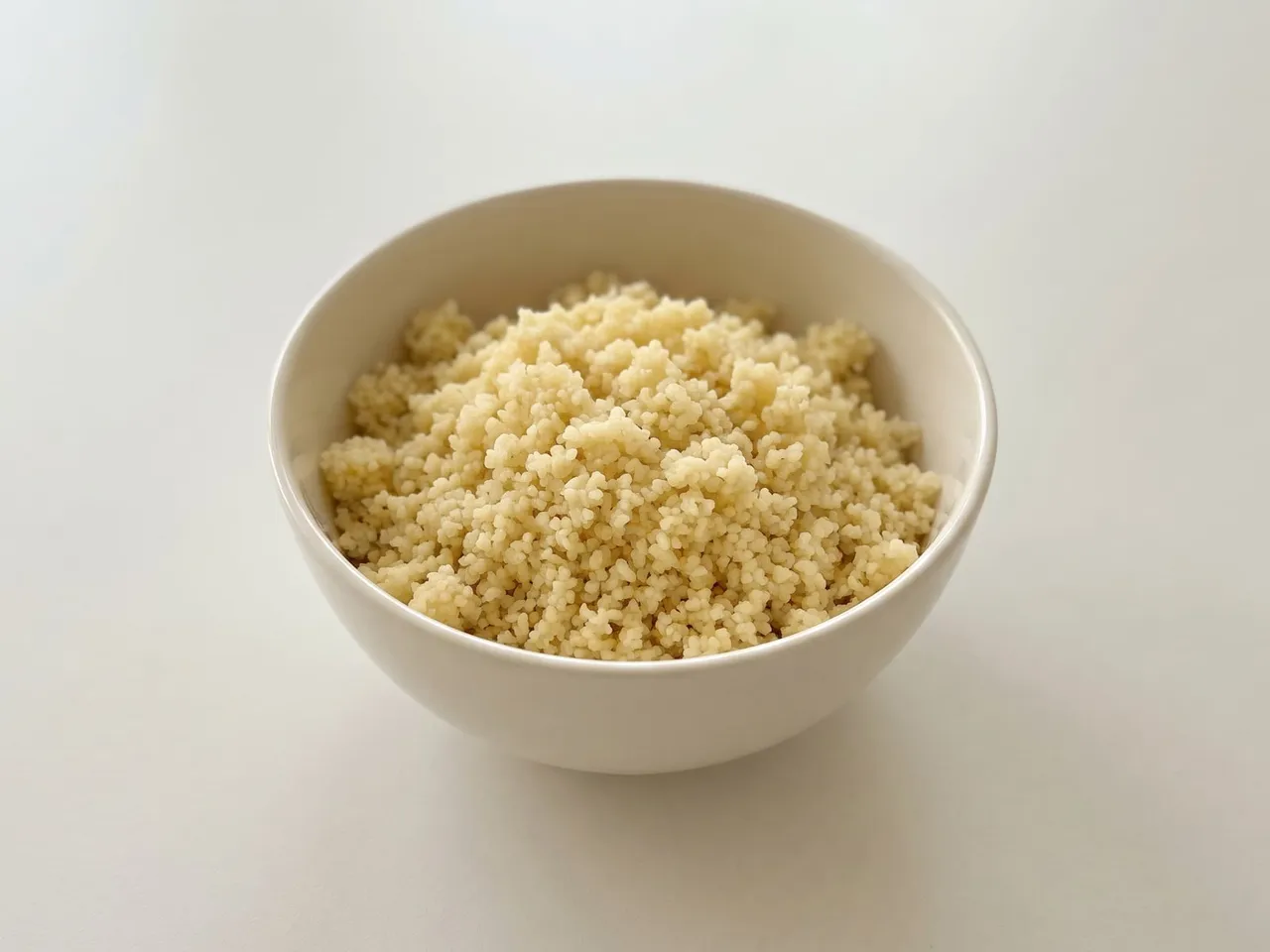
| Couscous, gekocht1 kleine Portion (150 g) | 156 kcal | 234 kcal |
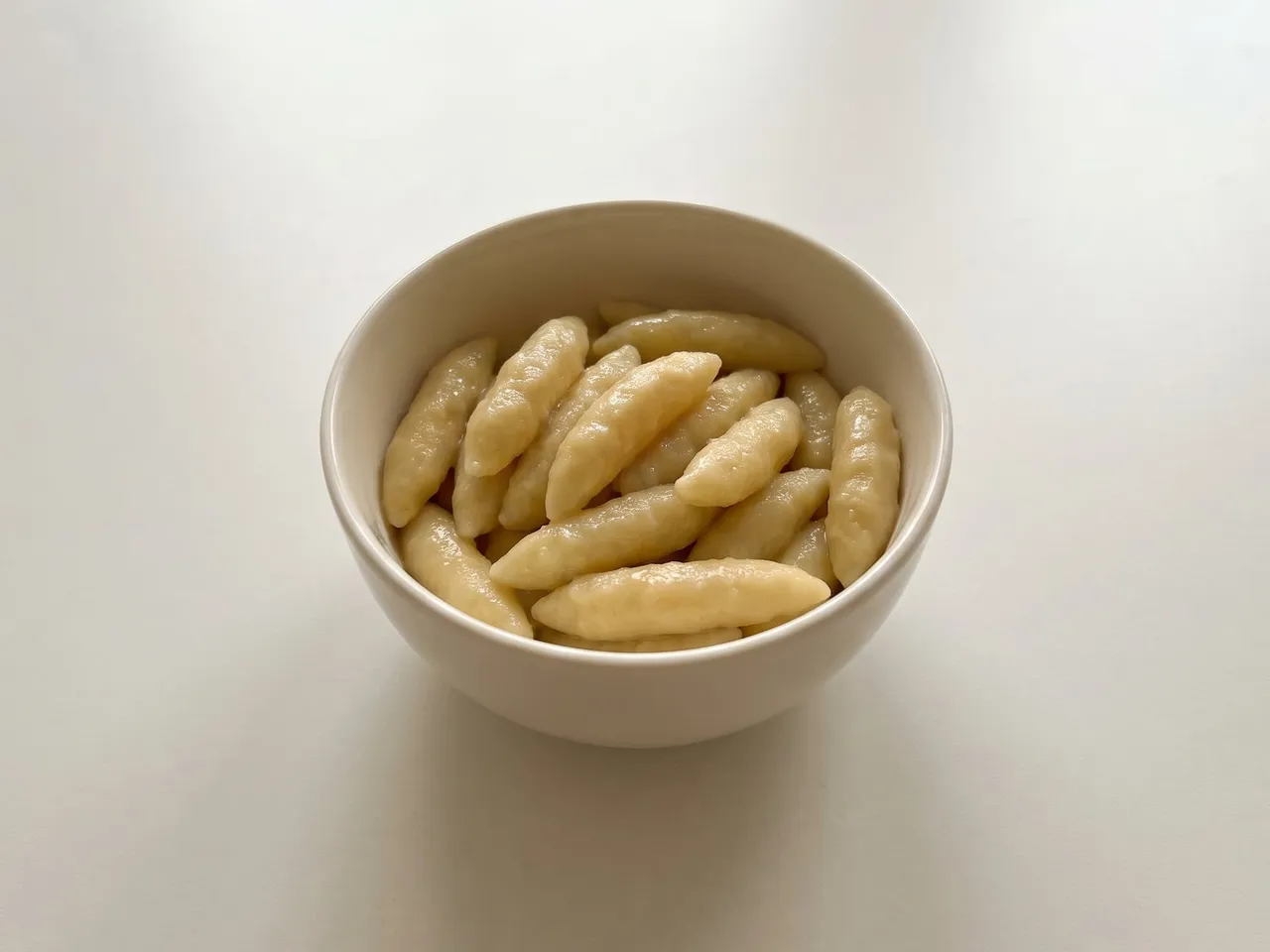
| Schupfnudeln1 Portion (250 g) | 154 kcal | 385 kcal |
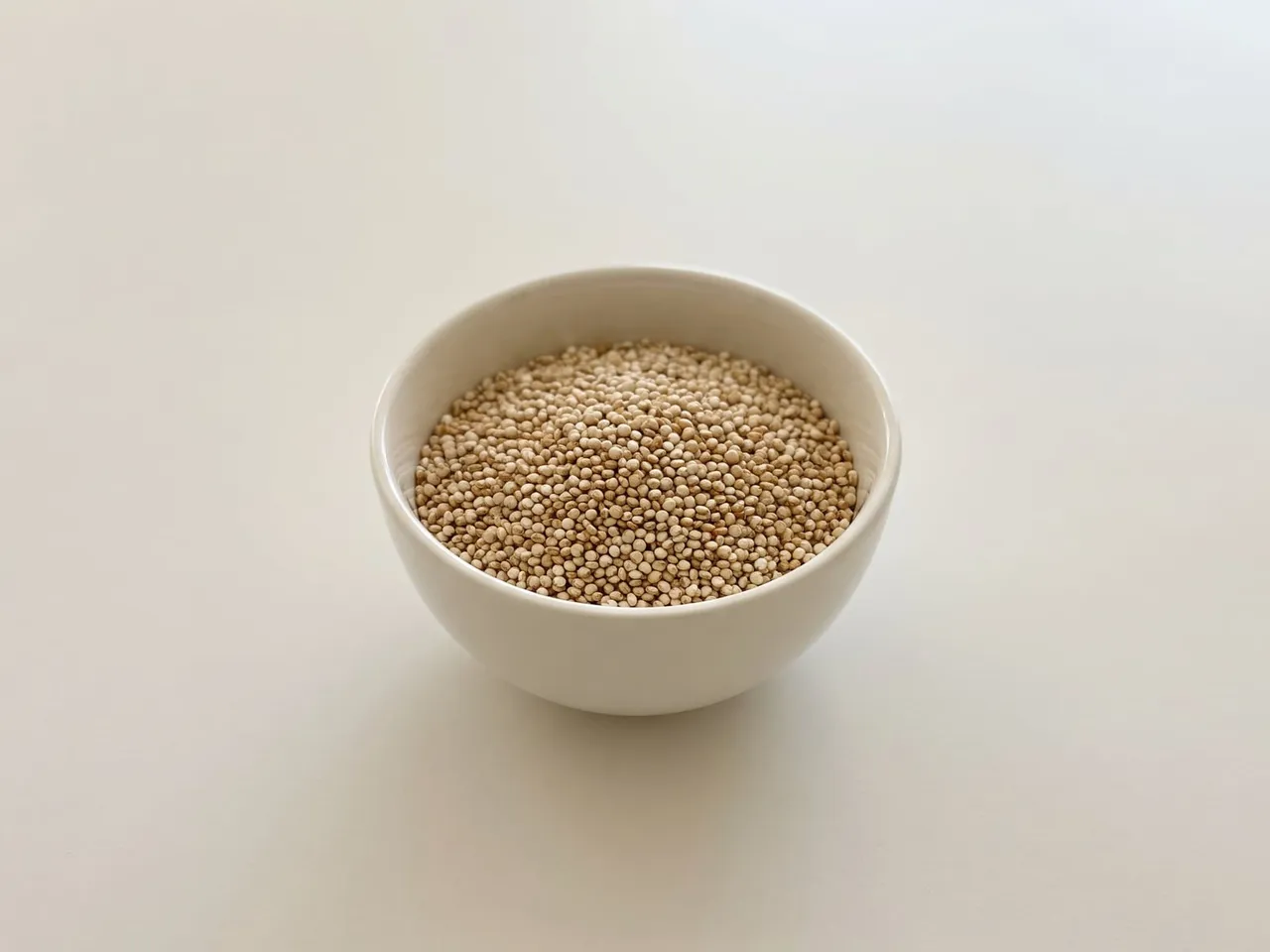
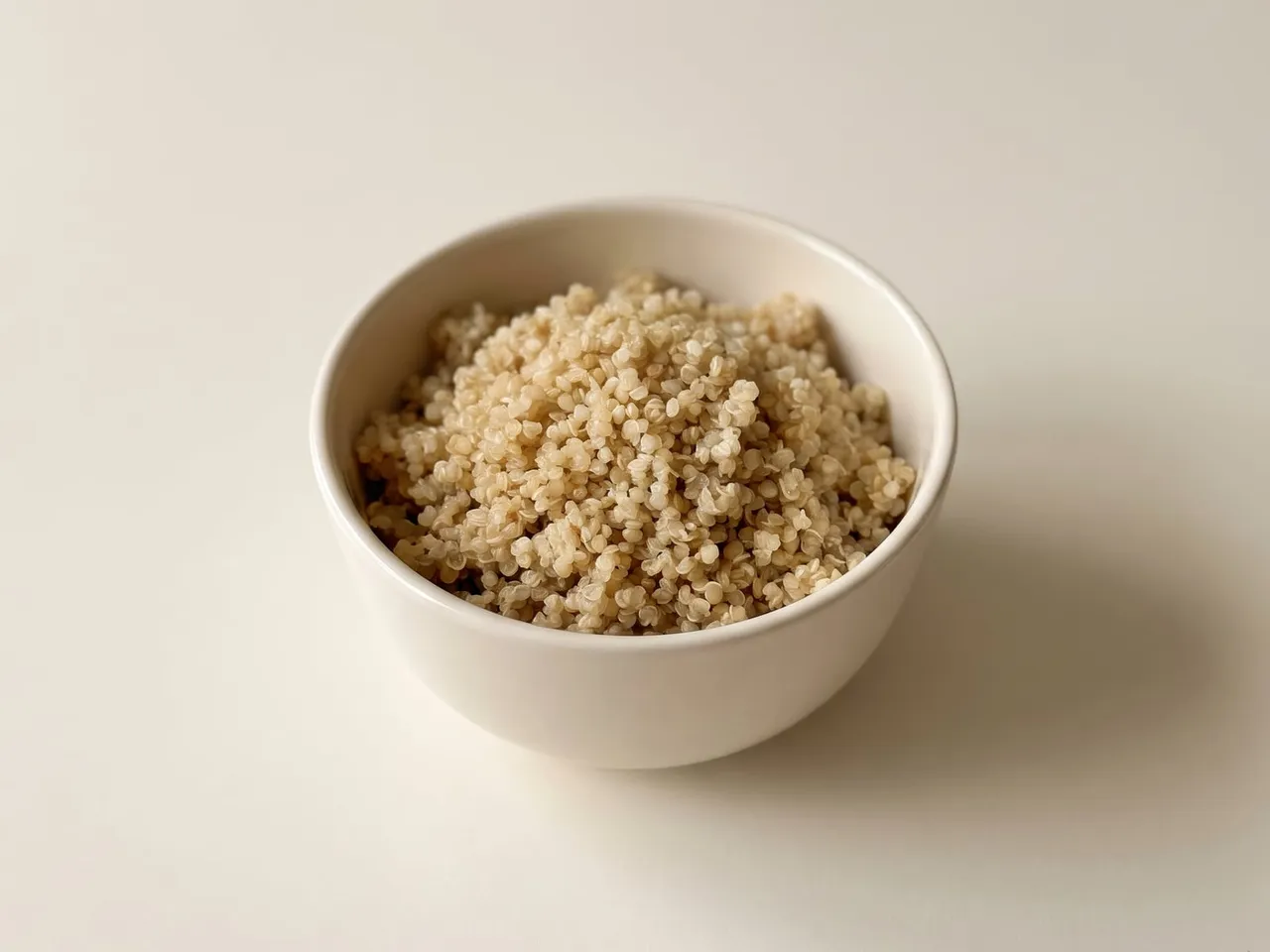
| Quinoa1 Portion (ungekocht, 75 g) | 361 kcal | 271 kcal |
| Quinoa, gekocht1 kleine Portion (150 g) | 104 kcal | 156 kcal |
| Soba-Nudeln, gekocht1 Portion (180 g) | 99 kcal | 178 kcal |
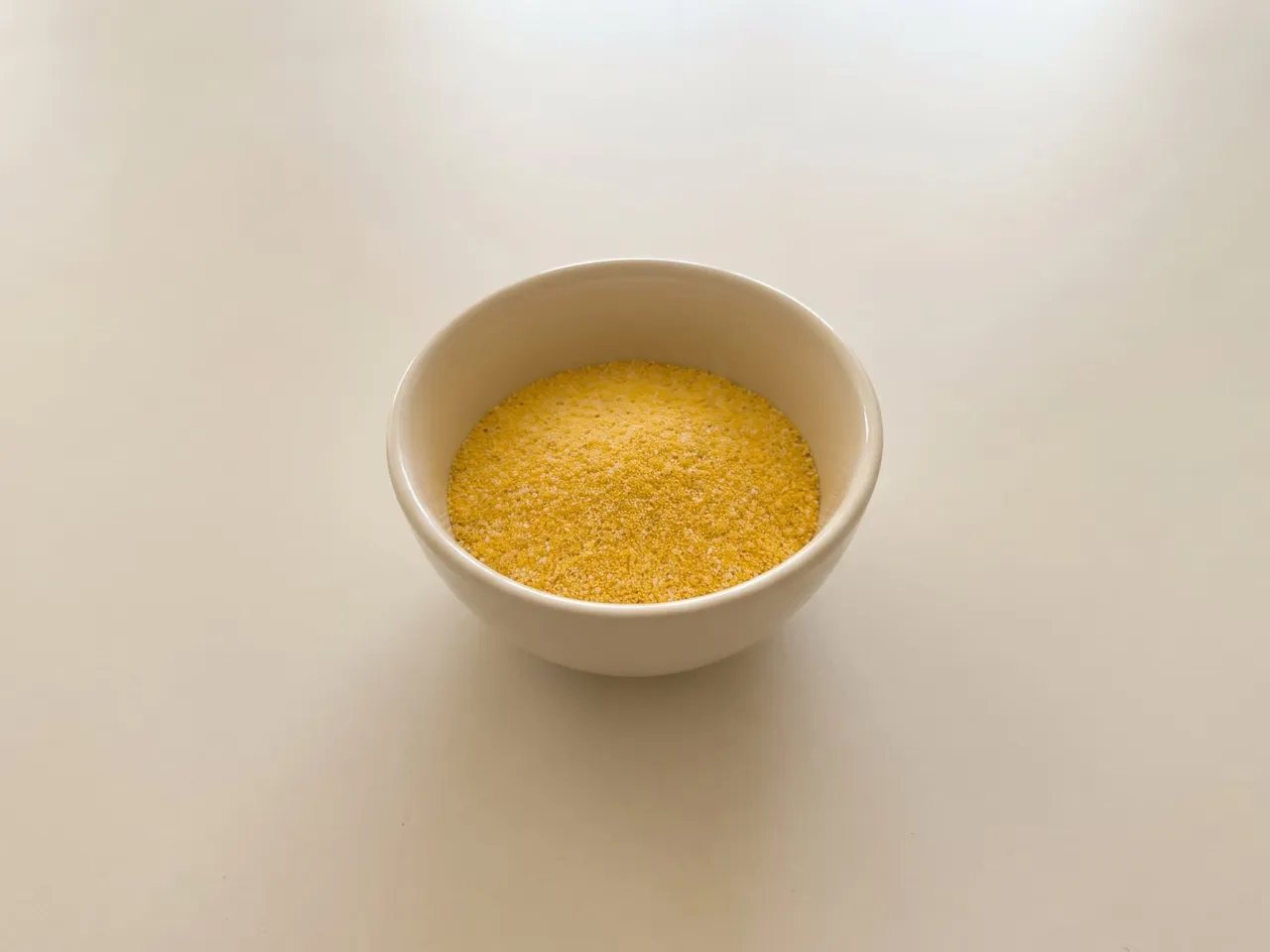
| Polenta1 Portion (ungekocht, 75 g) | 330 kcal | 248 kcal |
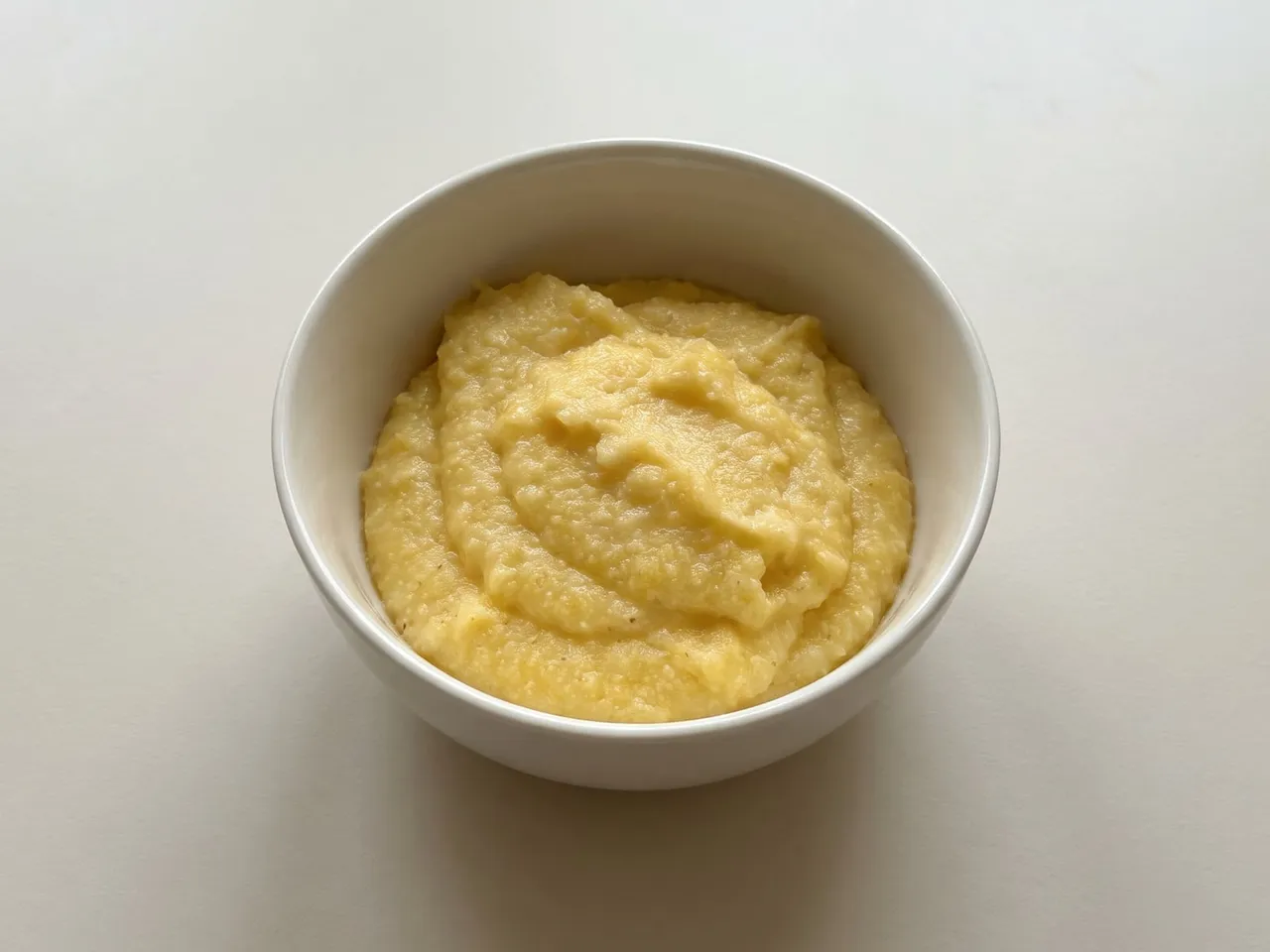
| Polenta, gekocht1 kleine Portion (150 g) | 123 kcal | 185 kcal |
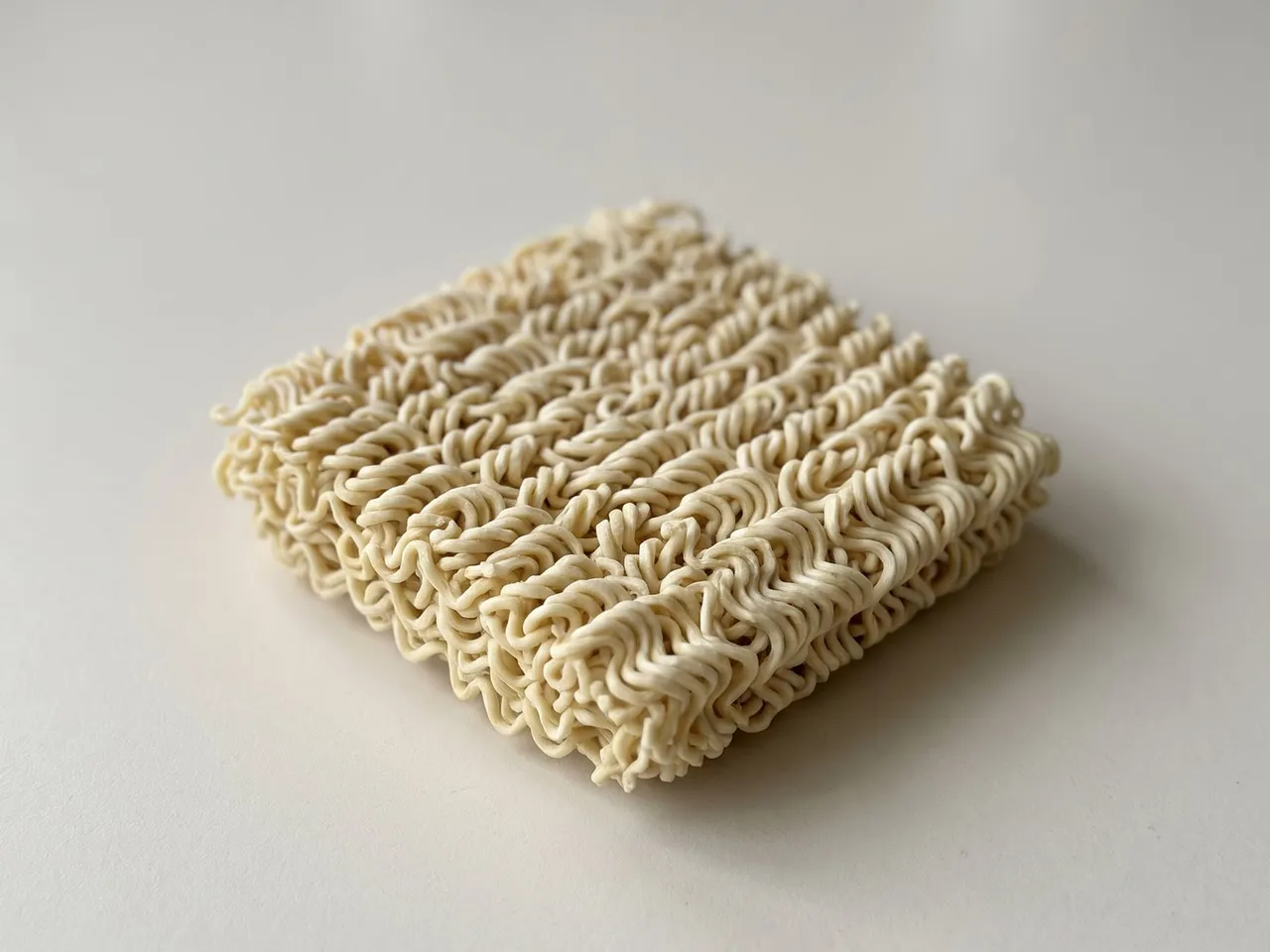
| Instantnudeln1 Portion (ungekocht, 80 g) | 440 kcal | 352 kcal |

Sag Yedeni, was du isst
Schreib eine Nachricht, sprich sie ein, mach ein Foto oder scanne einen Barcode. Yedeni trägt alles ein.


Portionen
Kalorien, Eiweiß, Kohlenhydrate und Fett je Portion.
1 kleine Portion (150 g)
192 kcal
- Eiweiß
- 4,5 g
- Kohlenhydrate
- 39,5 g
- Fett
- 1,4 g
1 Portion (200 g)
256 kcal
- Eiweiß
- 6 g
- Kohlenhydrate
- 52,6 g
- Fett
- 1,8 g
1 große Portion (250 g)
320 kcal
- Eiweiß
- 7,5 g
- Kohlenhydrate
- 65,8 g
- Fett
- 2,3 g
Häufige Fragen
- Wie viele Kalorien haben 100 g Vollkornreis ungekocht?
- 100 g Vollkornreis (ungekocht) haben 360 kcal; 1 Portion (ungekocht, 70 g) hat 252 kcal.Alle Nährwerte: Vollkornreis
- Wie viele Kalorien haben 100 g Vollkornreis, gekocht?
- 100 g Vollkornreis, gekocht haben 128 kcal.
- Wie viele Kohlenhydrate hat 1 kleine Portion Vollkornreis, gekocht?
- 1 kleine Portion Vollkornreis, gekocht (150 g) hat 39,5 g Kohlenhydrate. 100 g haben 26,3 g.
- Wie viele Kalorien hat 1 kleine Portion Vollkornreis, gekocht?
- 1 kleine Portion Vollkornreis, gekocht (150 g) hat 192 kcal.
- Wie viele Kalorien hat 1 Portion Vollkornreis, gekocht?
- 1 Portion Vollkornreis, gekocht (200 g) hat 256 kcal.
- Wie viele Kalorien haben 50 g Vollkornreis, gekocht?
- 50 g Vollkornreis, gekocht haben 64 kcal.
- Wie viel Eiweiß hat 1 kleine Portion Vollkornreis, gekocht?
- 1 kleine Portion Vollkornreis, gekocht (150 g) hat 4,5 g Eiweiß. 100 g haben 3 g.